The shoulder is the most mobile joint in the human body, and that mobility comes at the cost of inherent stability. The joint relies almost entirely on the surrounding muscles, tendons, and ligaments to maintain its position and function through an enormous range of demands, from overhead lifting to fine motor precision. When any part of that supporting structure becomes irritated, compressed, or torn, the impact on daily life can be significant and surprisingly rapid.
At The Physio Joint, shoulder pain is one of the most common conditions we treat, and we bring a detailed, structured approach to every presentation. Whether your shoulder pain developed gradually through overuse, appeared suddenly after an injury, or has persisted long after an initial episode that seemed to resolve, our team has the clinical depth to identify the source and guide you through a personalised recovery.
Shoulder pain is frequently mismanaged because the joint is complex and multiple structures can produce similar symptom patterns. Rotator cuff tendinopathy, subacromial impingement, frozen shoulder, labral tears, acromioclavicular joint injury, and referred pain from the cervical spine can all present as shoulder pain with restricted movement. Treating the wrong structure wastes time and delays genuine recovery.
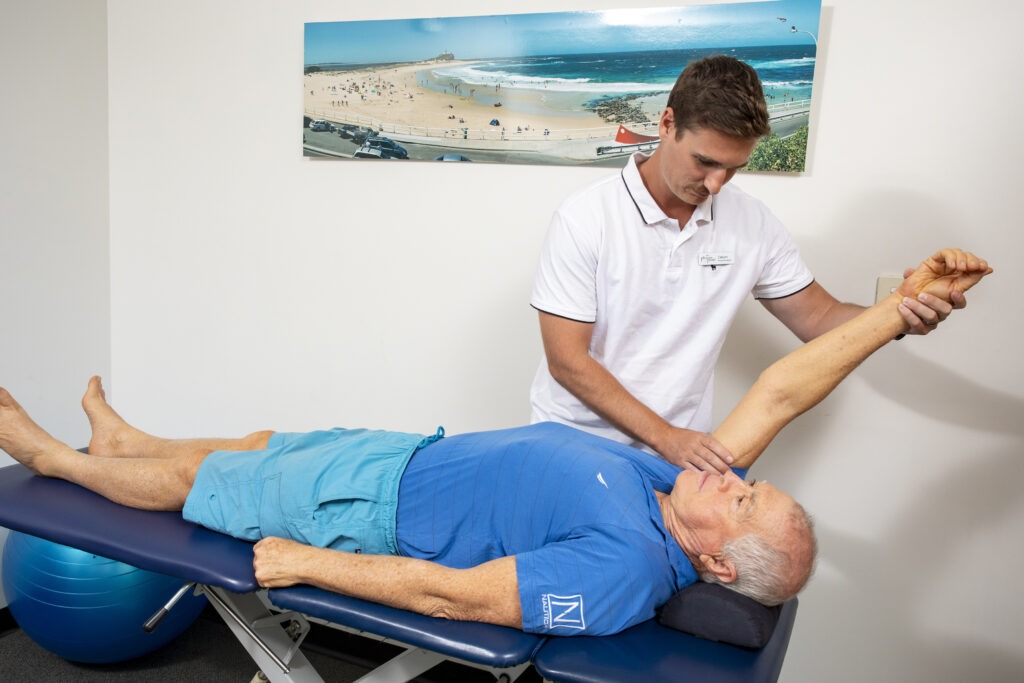
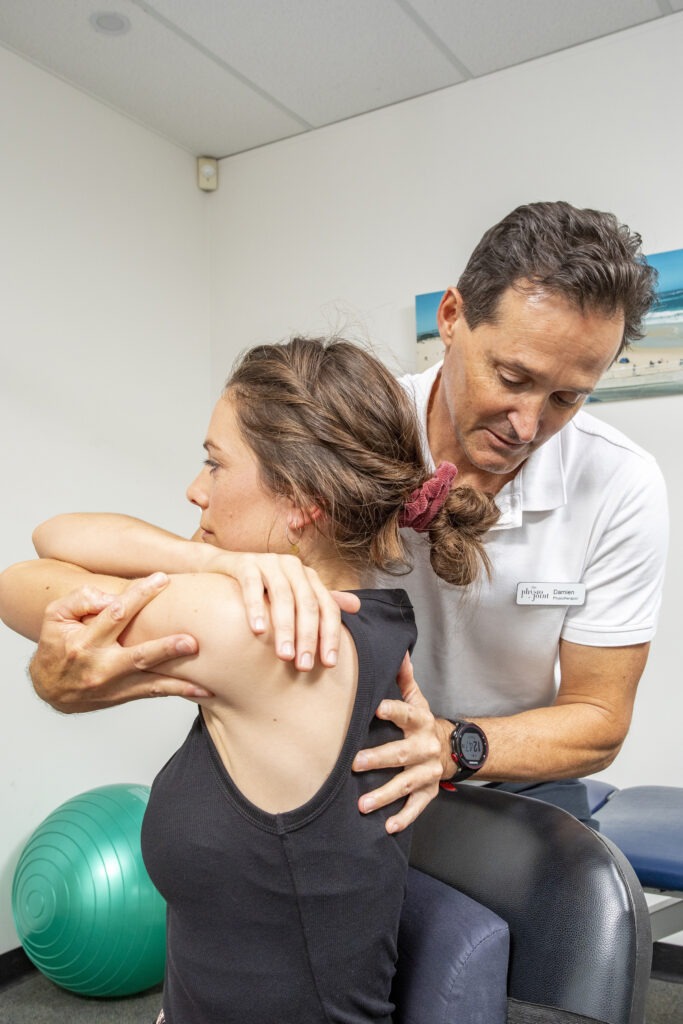
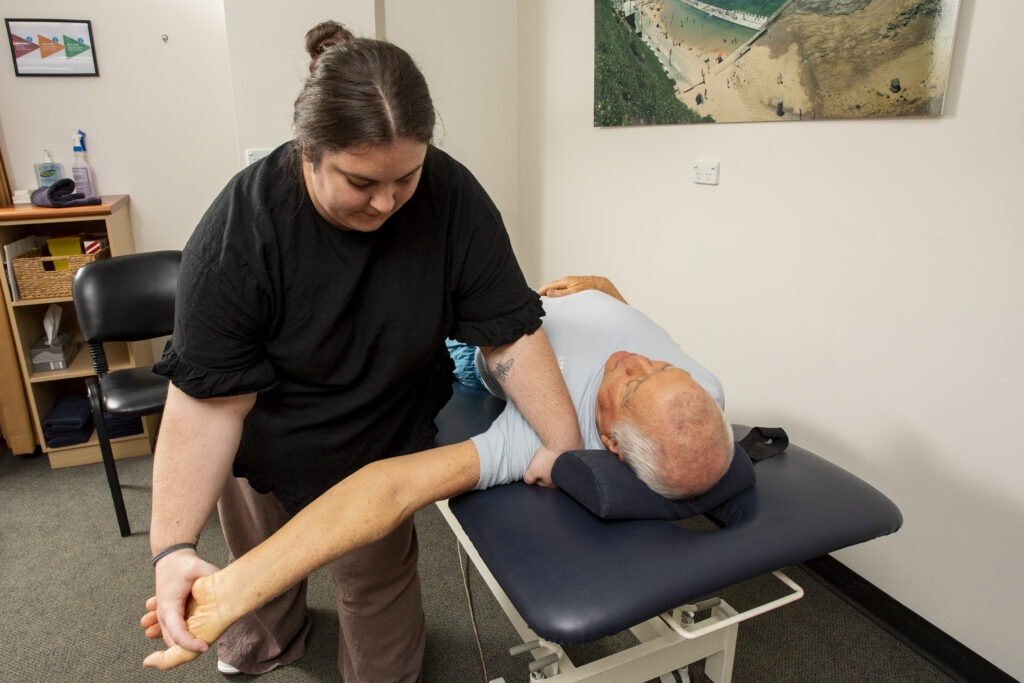
Our physiotherapists conduct a thorough shoulder assessment that examines the joint itself, the surrounding musculature, the cervical and thoracic spine, and the neurodynamics of the upper limb. This whole-region approach ensures that referred pain from the neck, which is a surprisingly common contributor to apparent shoulder symptoms, is identified and addressed alongside any local shoulder pathology.


Most shoulder pain responds well to physiotherapy. However, there are circumstances where imaging or specialist review is warranted. We will advise you if we believe an ultrasound, MRI, or orthopaedic opinion is appropriate for your presentation, and we can facilitate referral through your GP when necessary.
You should seek prompt assessment if your shoulder pain followed a significant trauma, if you experienced a sensation of the joint dislocating, if you have significant weakness alongside your pain, or if your pain is severe and unrelenting without a clear mechanical pattern.
Our practitioners have treated a wide range of shoulder conditions across all age groups and activity levels, from desk workers with postural shoulder dysfunction to athletes with complex overhead loading demands. Patient reviews regularly highlight shoulder pain as a condition that our team, particularly Lexi Unicomb, has resolved after other approaches had failed.
We combine the manual therapy skills and progressive rehabilitation structure needed to achieve lasting shoulder recovery, and we maintain close relationships with Newcastle’s orthopaedic specialists for cases that require a surgical pathway.

This depends significantly on the diagnosis. Mild rotator cuff tendinopathy or acromioclavicular joint sprains often respond within four to eight weeks. Frozen shoulder, by contrast, is a longer-duration condition that can take six to eighteen months to fully resolve, though physiotherapy can meaningfully accelerate recovery and reduce pain throughout the process.
Adhesive capsulitis does tend to resolve naturally over time, but the natural history involves a prolonged period of significant pain and stiffness that can last one to three years or longer. Physiotherapy, particularly graded joint mobilisation and targeted stretching, significantly reduces the duration and severity of each stage of the condition.
Not routinely. Our clinical assessment is sufficient to guide treatment in the majority of shoulder presentations. Imaging is helpful for confirming rotator cuff tears or labral pathology when surgery is being considered, and we will advise you if a scan is warranted.
Yes, and this is more common than many patients realise. Cervical nerve root irritation can produce pain, heaviness, or altered sensation that presents in the shoulder region. Our assessment specifically examines the cervical spine alongside the shoulder to ensure referred components are not missed.
Physiotherapy is essential after shoulder surgery. The success of rotator cuff repair, labral reconstruction, and shoulder replacement procedures is heavily dependent on the quality of post-operative rehabilitation. We provide structured, surgeon-aligned programmes that progress each patient safely through the full recovery process.
Shoulder pain that limits your reach, your sleep, or your ability to participate in the activities you value deserves thorough, targeted care. Our team at The Physio Joint is ready to help you move freely again.